naxisweb is an SEO company serving businesses across the USA and internationally. Our SEO process covers technical site audits, on-page content optimization, semantic keyword mapping, schema markup implementation, Core Web Vitals improvement, and editorial link building.
Clients in healthcare, travel, e-commerce, and professional services have achieved first-page Google rankings within 3 to 8 months of engagement.

Search engine optimization is a long-term investment with compounding returns. A business that ranks in position 1 for a competitive keyword with 10,000 monthly searches captures approximately 28% to 32% of those clicks organically. That is 2,800 to 3,200 targeted visitors per month without ongoing ad spend.
The gap between a page-one position and a page-two position is not incremental. Position 10 on page one earns roughly 2.5% of clicks. Position 11 (first result on page two) earns less than 0.7%. Getting your business onto page one is the mission. Reaching the top 3 is where sustainable organic revenue begins.
What Does an SEO Company Actually Do?
SEO divides into four interconnected disciplines. Ignoring any one of them produces fragile results that do not sustain.
| SEO Discipline | What We Deliver | Impact on Rankings |
|---|---|---|
| Technical SEO | Site speed optimization, crawlability, Core Web Vitals, structured data, canonical tags | Foundation — without this, content gains are limited |
| On-Page Optimization | Keyword mapping, title tags, meta descriptions, header structure, internal linking | Direct — signals relevance to search engines |
| Content Strategy | Pillar pages, topic clusters, FAQ sections, entity optimization | Authority — builds topical depth over time |
| Link Building | HARO placements, editorial outreach, digital PR, backlink analysis | Trust — domain authority drives competitive rankings |
Our SEO Process — From Audit to First-Page Rankings
Phase 1: Technical Audit and Baseline Assessment
Every SEO engagement begins with a complete technical audit. We use Screaming Frog, Ahrefs, Google Search Console, and PageSpeed Insights to map your site's current crawl health, indexation status, Core Web Vitals scores, and backlink profile. This audit produces a prioritized action list sorted by ranking impact.
Common technical issues we find include slow server response times, duplicate content from parameter URLs, missing canonical tags, poor mobile usability scores, and thin pages competing for the same keywords. Each issue is assigned a fix priority and a projected ranking impact score.
Phase 2: Keyword Strategy and Content Architecture
Keyword research for SEO in 2026 goes beyond search volume. We analyze search intent, keyword clustering, semantic entity relationships, and SERP feature opportunities. This analysis produces a content architecture that groups related terms into pillar pages and supporting cluster articles.
For a typical SEO client, the initial keyword strategy covers 80 to 150 target terms organized into 8 to 15 topic clusters. Each cluster has a pillar page targeting the head term and 4 to 8 supporting articles targeting long-tail variations.
Phase 3: On-Page Optimization
Once the keyword architecture is set, we optimize existing pages and create new ones as needed. On-page optimization covers title tags, meta descriptions, heading structure, internal linking, image alt text, and schema markup.
We also implement FAQ schema, Article schema, BreadcrumbList schema, and LocalBusiness schema where applicable. Schema markup improves click-through rates by generating rich results in the SERP.
Phase 4: Content Development
Content gap analysis compares your current content against the top-ranking pages for your target keywords. Any topic covered by competitors that you do not cover becomes a content priority.
Each content piece follows an answer-first structure: the primary question answered in the opening paragraph, followed by detailed explanation and supporting data or case studies.
Phase 5: Link Building and Authority Development
Content and technical SEO produce a ceiling on rankings. Breaking through that ceiling requires authority signals from external sources.
Our link building combines HARO editorial placements, digital PR campaigns, and targeted outreach. We target backlinks with domain ratings above 40, editorial placement, and contextual relevance.
Real Client Results
| Industry | Starting Organic Traffic | Traffic After 8 Months |
|---|---|---|
| Healthcare | 1,200 visits/month | 4,560 visits/month (+280%) |
| Travel | 2,100 visits/month | 6,090 visits/month (+190%) |
| Accounting | 780 visits/month | 2,730 visits/month (+250%) |
| Plumbing (local) | 340 visits/month | 1,190 visits/month (+250%) |
SEO for AI Search — Google AI Overviews, ChatGPT, and Gemini
Search behavior is shifting. Google's AI Overview feature now appears above organic results for many queries. AI platforms like ChatGPT and Gemini answer questions directly from indexed web content.
Ranking in these AI-generated summaries requires structured, citable content. Our SEO strategy builds AI-ready content through answer-first formatting, factual claims, structured FAQs, and schema markup.

Expertise

Time-saving

Results-driven approach

Industry insights

Customized strategies
How long does it take to see results from SEO efforts?
The time it takes to see results from SEO efforts can vary depending on various factors, such as the competitiveness of your industry, the current state of your website, and the SEO strategies implemented. Generally, observing significant improvements in search engine rankings and organic traffic can take several weeks to months. However, SEO is ongoing, and consistent efforts yield long-term results.
Our Results
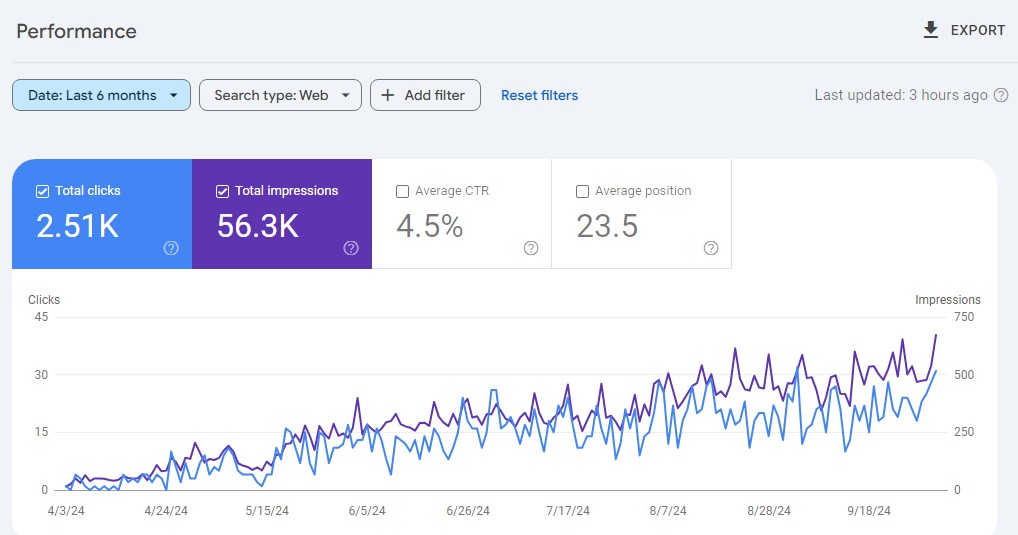
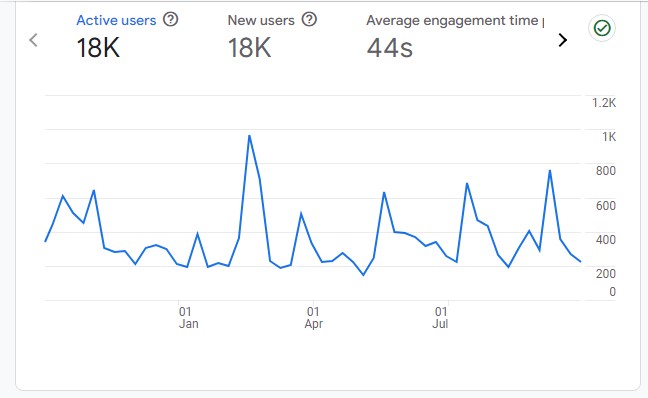
Healthcare Website SEO stats
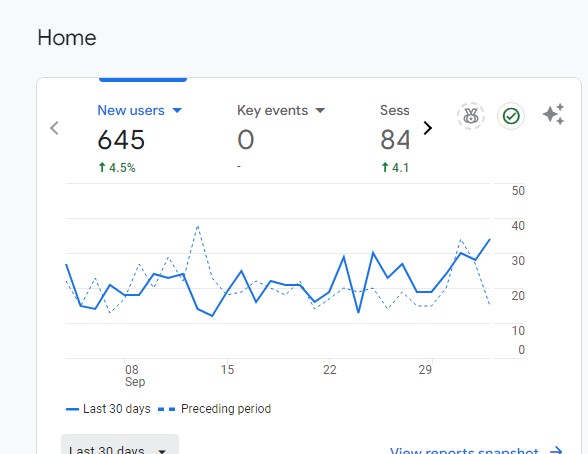
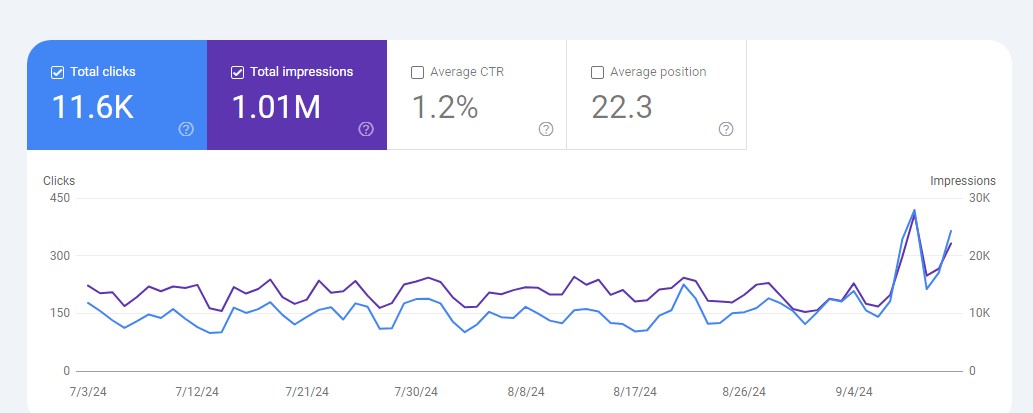
Travel Website SEO stats
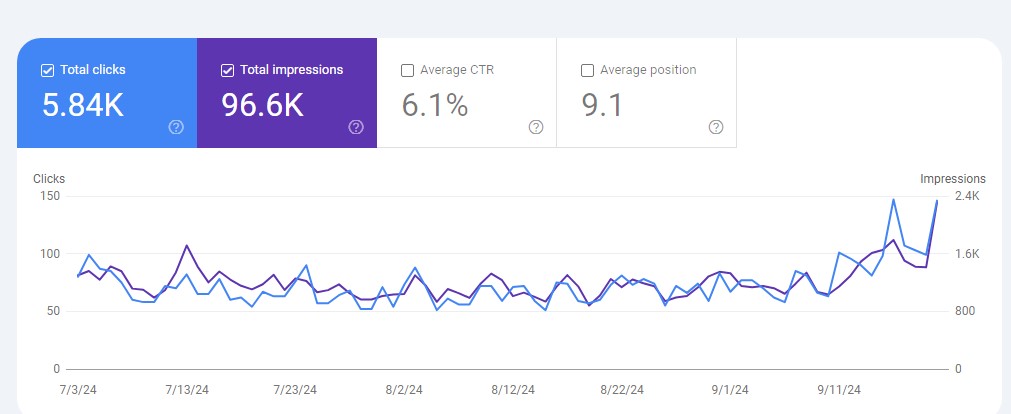
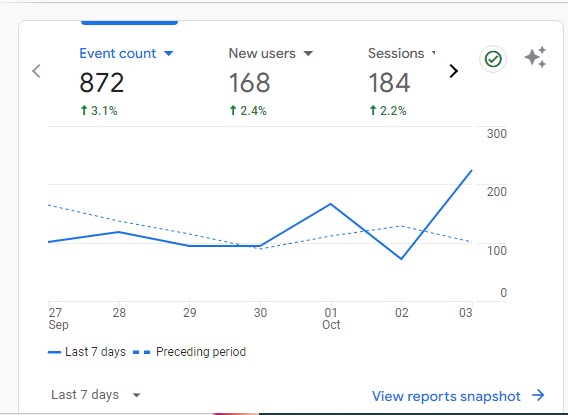
Accounting Website SEO stats
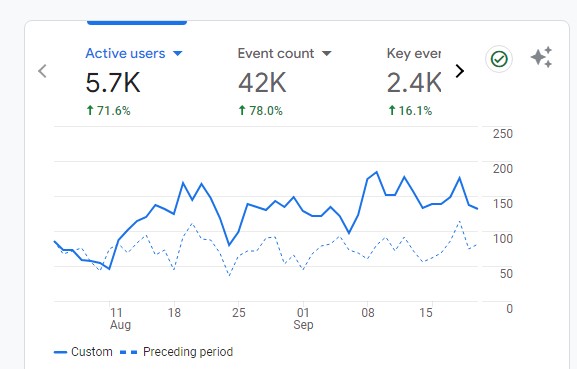
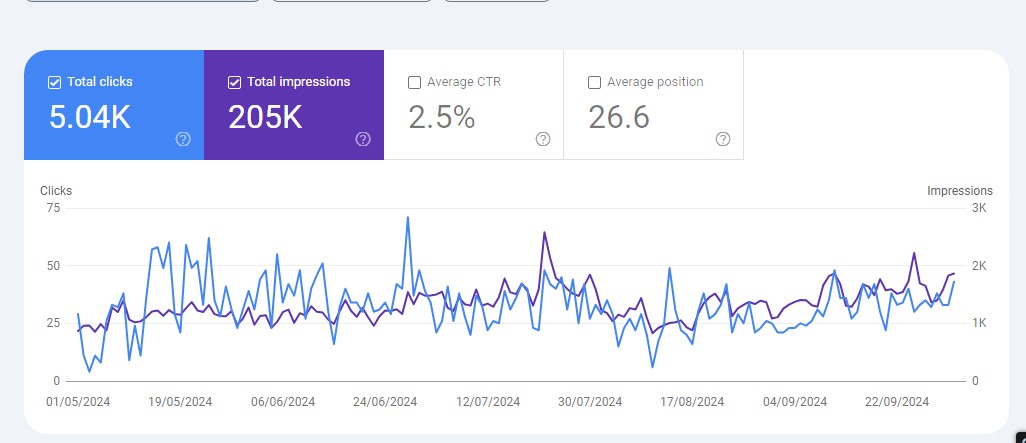
Plumbing Website SEO stats
Affordable Pricing Plans
Discover our affordable pricing plans tailored to fit your business needs! Compare options and choose the perfect plan for your success today.
| Key Features | BRONZE | SILVER | GOLD Most Popular | PLATINUM |
|---|---|---|---|---|
| Key Words Optimized | 20 Keywords | 35 Keywords | 50 Keywords | 100 Keywords |
| Top 10 Ranking Guarantee | 5 | 10 | 20 | 30 |
| Weekly Reporting | ✓ | ✓ | ✓ | ✓ |
| Support | Email, Chat & Phone | Email, Chat & Phone | Email, Chat & Phone | Email, Chat & Phone |
| Customized Presentation | ✓ | ✓ | ✓ | ✓ |
| On-Page Optimization | ||||
| Web site Analysis | ✓ | ✓ | ✓ | ✓ |
| Competitor Analysis | ✓ | ✓ | ✓ | ✓ |
| Keyword Research | ✓ | ✓ | ✓ | ✓ |
| Structure Optimization | ✓ | ✓ | ✓ | ✓ |
| Content Optimization | 20 Pages | 35 Pages | 50 Pages | 100 Pages |
| Google analytics installation | ✓ | ✓ | ✓ | ✓ |
| Google webmaster tools account | ✓ | ✓ | ✓ | ✓ |
| Off-Page Optimization | ||||
| Web 2.0 link creation | 10 | 15 | 25 | 40 |
| Article writing | 2 | 4 | 6 | 10 |
| Youtube Video Creation | 1 | 2 | 5 | 10 |
| Youtube Video Promotion | ✓ | ✓ | ✓ | ✓ |
| Links from social media | ✓ | ✓ | ✓ | ✓ |
| Free Blog Creation | 3 | 5 | 10 | 20 |
| Profile Page Creation | 5 | 10 | 20 | 30 |
| $150/Month | $250/Month | $400/Month | $500/Month |
Frequently Asked Questions
How long does SEO take to produce results?
Technical fixes can produce improvements within 2 to 4 weeks. Ranking movement for low-competition terms begins in 60 to 90 days, while competitive keywords require 4 to 9 months.
What is the difference between on-page and off-page SEO?
On-page SEO includes content, keywords, and site structure. Off-page SEO includes backlinks and external signals. Both are essential for ranking success.
How does naxisweb measure SEO success?
We track keyword rankings, organic traffic, CTR, lead attribution, and domain authority growth. The primary benchmark is revenue or leads generated from organic traffic.
Do you handle local SEO as well as national?
Yes. Local SEO includes Google Business Profile optimization, citation consistency, local keywords, and review acquisition.
Does naxisweb guarantee first-page rankings?
No ethical SEO company can guarantee rankings. We guarantee a proven process, transparency, and measurable results backed by case studies.